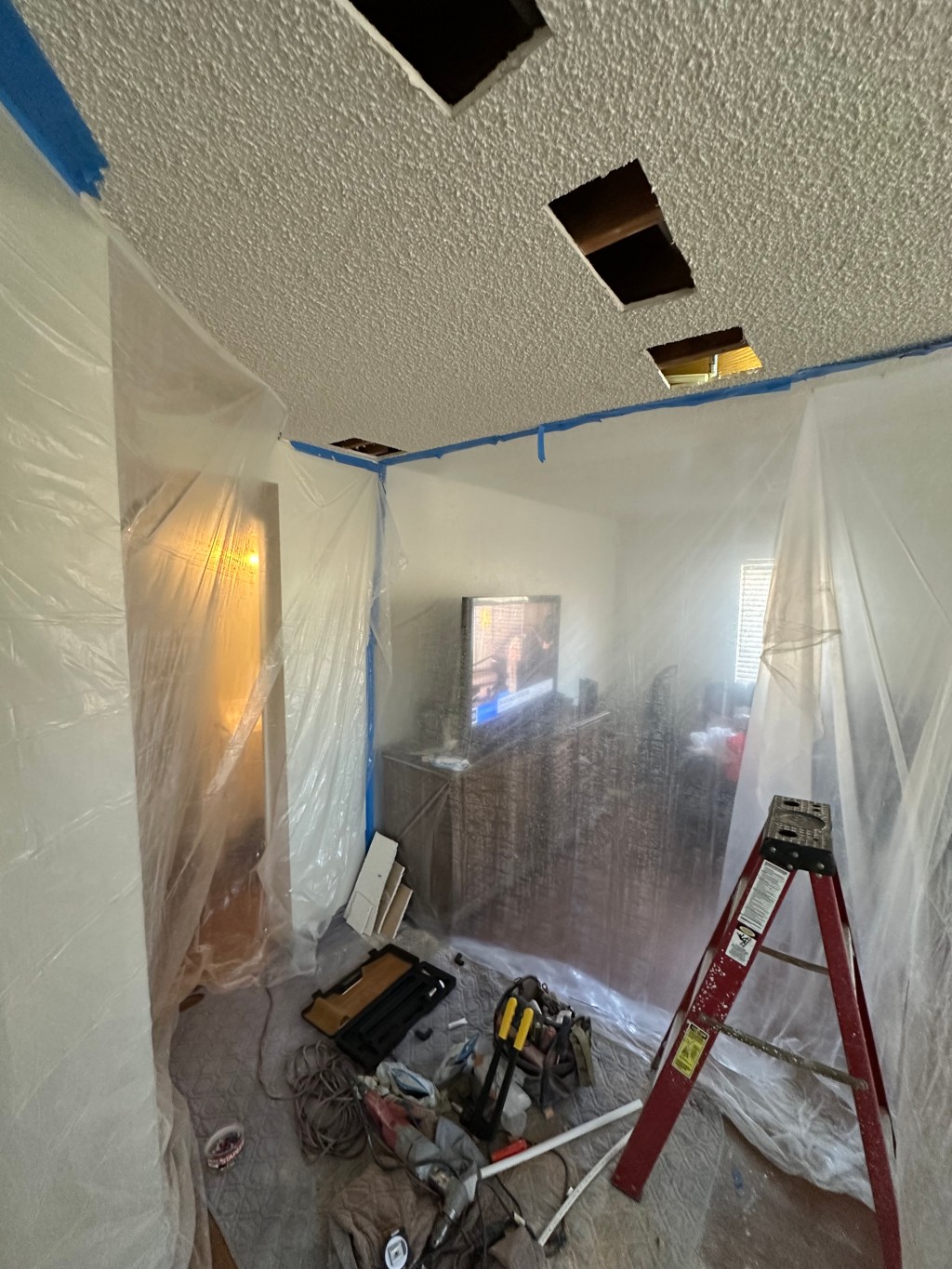
In the heart of Moreno Valley, CA, a homeowner recently faced a plumbing issue that is more common than many might think—a slab leak. These leaks occur when water pipes beneath a home’s concrete foundation start to leak, leading to potential damage to the foundation, flooring, and walls. Our team at C & R Plumbing was called in to address a slab leak between the bathroom and kitchen, and what follows is a detailed look at how we tackled the problem with a focus on detection and reroute repair.
What is a Slab Leak?
A slab leak is a term used to describe a leak in the water pipes that run underneath a home’s concrete slab foundation. These leaks can be caused by various factors, including poor installation, pipe corrosion, shifting soil, or even ground movement from earthquakes—something not uncommon in Southern California. Left unchecked, a slab leak can lead to significant structural damage and costly repairs.
The Initial Signs of a Slab Leak
The homeowners in Moreno Valley first noticed a problem when they felt warm spots on the floor between their kitchen and bathroom. Additionally, their water bill had unexpectedly spiked. These are classic signs of a slab leak:
- Warm spots on the floor: Often indicate a leak in a hot water line.
- Increased water bill: Suggests that water is escaping from the plumbing system.
- Water pooling or damp carpet: More advanced signs of a slab leak.
- Sound of running water: When no fixtures are turned on, indicating a hidden leak.
Recognizing the potential severity of the situation, the homeowners quickly contacted us for an inspection.
Detecting the Slab Leak
Slab leaks can be notoriously difficult to locate because the pipes are buried under several inches of concrete. We began by using advanced electronic leak detection equipment, which allows us to pinpoint the exact location of the leak without unnecessary disruption to the home. This non-invasive technology uses sound amplification to detect the noise made by water escaping from a pipe.
In this case, the leak was found in a hot water pipe running between the bathroom and kitchen. The early detection prevented further damage to the home’s structure and saved the homeowners from a more extensive repair bill.
Rerouting the Pipe
Given the location of the leak and the fact that the existing pipes were corroded, we recommended a pipe reroute rather than a direct repair. Rerouting the pipe involves bypassing the damaged section and installing new pipes along a different path. This approach minimizes the risk of future leaks and avoids the need to break through the concrete slab, which can be costly and disruptive.
For this reroute, we ran new PEX piping (cross-linked polyethylene) through the walls and attic space. PEX is highly durable, resistant to corrosion, and flexible, making it an ideal choice for this kind of repair. By choosing this method, we were able to preserve the integrity of the home’s foundation and ensure a long-lasting solution to the problem.
The Outcome
The entire process, from detection to reroute, was completed in a matter of days, with minimal disruption to the homeowners’ daily lives. The rerouted pipes now provide reliable water flow between the kitchen and bathroom, with no risk of future slab leaks in that area.
The homeowners were relieved to have the issue resolved quickly and effectively, and they now have peace of mind knowing that their home is safe from further water damage.
Conclusion
Slab leaks can be a serious issue, but with prompt detection and expert repair, they don’t have to lead to disaster. At C & R Plumbing, we specialize in advanced leak detection and reroute repairs, providing homeowners in Moreno Valley and the surrounding areas with reliable solutions that stand the test of time. If you suspect a slab leak in your home, don’t wait—contact us today to schedule an inspection and protect your investment.
 C & R Plumbing
Leave a comment